Are you ready for the latest changes in OSHA’s fall protection rules? 2025 brings some important updates, and if you want to keep your team safe—and your business compliant—it’s time to get familiar with what’s new. Let’s walk through what’s changed, what you need to do, and how you can make safety a natural part of your workplace.
Quick Overview: OSHA Fall Protection in 2025
Staying on top of OSHA’s fall protection standards is a must, especially if your crew spends any time working up high. Here’s the bottom line:
– Spot the hazards: Make sure you’re regularly checking for any risks of falling.
– Use the right gear: Install proper fall protection measures—think guardrails, harnesses, safety nets.
– Train your team: Everyone needs to know how to use fall protection equipment and spot hazards.
– Stay compliant: Failing to follow the rules can mean fines, legal trouble, and worst of all, injuries.
Pro tip: If you need solutions tailored to your job site, consider partnering with a local expert in fall protection Chicago. Regularly review your safety policies and make sure your whole team is on board. It’s how you keep everyone safe and avoid headaches.
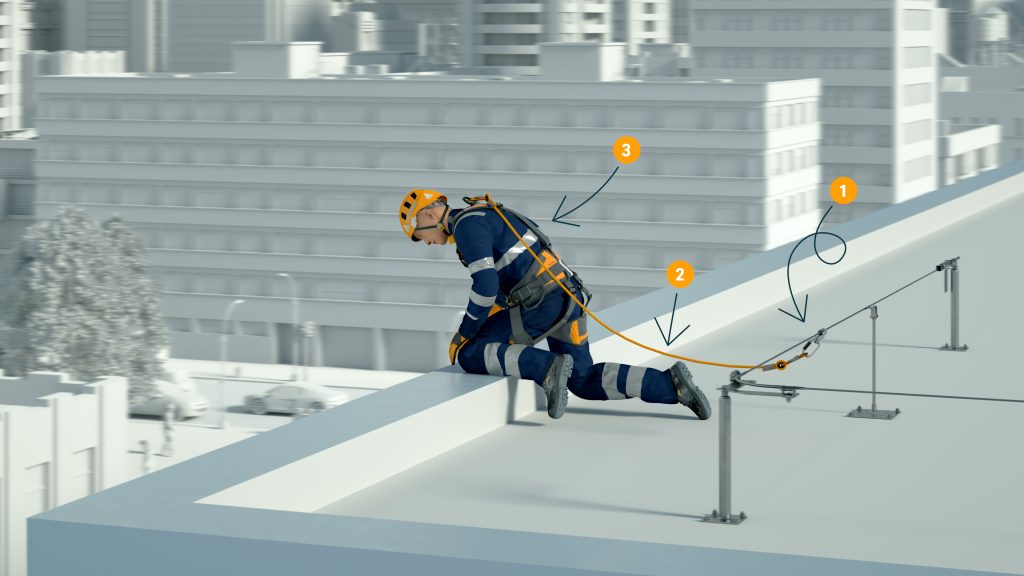
What’s New for Personal Fall Arrest Systems (PFAS)
OSHA has tightened up the rules for PFAS this year. Here’s what’s changed:
– Stronger systems: Each worker’s attachment point needs to support at least 5,000 pounds.
– Inspect before use: Every harness, lanyard, and anchor must be checked for damage before each use.
– Fit matters: Harnesses should actually fit—no more “one size fits all.”
– PPE compatibility: Your fall arrest gear can’t interfere with other safety equipment.
Remember: If you spot anything worn, frayed, or broken, take it out of service right away.
Construction Sites: Fall Protection Essentials
Working on a construction site? Here’s what you need to keep in mind:
– Guardrails, scaffolding, safety nets: Make sure they’re installed right and meet OSHA’s standards.
– Regular inspections: Check that everything’s secure and sturdy before letting workers up.
– Conduct safety audits: Walk the site, look for hazards, and make sure everyone’s following the rules.
– Ongoing training: Don’t let the safety message fade. Reinforce it often.
Big idea: Safety isn’t just about gear—it’s about building a safety-first culture where everyone looks out for each other.
Fall Prevention in General Industry
It’s not just construction where falls happen. Warehouses, factories, and maintenance crews face risks too.
– Do a hazard assessment: Where could someone fall? Edges, pits, platforms—look everywhere.
– Install proper equipment: Guardrails, PFAS, safety nets—use what fits your situation.
– Routine checks: Make sure all gear is in good shape.
– Administrative controls: Use signage and restrict access to high-risk areas.
Tip: Document your assessments and fixes. It’ll help with OSHA compliance and spot trends over time.
Ladders & Scaffolding: The 2025 Upgrades
OSHA has rolled out tougher standards for ladders and scaffolds—here’s what’s new:
Ladders
– Better materials: Ladders now need to be stronger and more stable.
– Inspect every time: Before use, check for cracks, corrosion, and broken parts.
– Proper angle and placement: No more “winging it”—do it right every time.
– Training required: Make sure everyone knows how to set up, inspect, and climb safely.
Scaffolds
– Stricter anchoring: Scaffolds need solid base support and anchoring.
– Guardrails everywhere: If it’s over 10 feet high, it needs guardrails, mid-rails, and toe boards.
– Frequent inspections: Check regularly—document everything.
Inspections
– New tech: Use digital checklists or scanners if you have them.
– Immediate fixes: If you find a problem, fix it before anyone climbs.
– Keep records: Document all your checks—OSHA loves a good paper trail.
Training & Employee Responsibilities
Safety training isn’t a one-and-done deal. It’s a habit.
Training
– Make it practical: Use real-life examples and hands-on practice.
– Refresh often: Don’t let your training get stale. Schedule regular updates.
– Clear responsibilities: Make sure everyone knows what’s expected of them.
Employee Responsibilities
– Follow the rules: Use equipment properly—no shortcuts!
– Speak up: Report hazards right away.
– Stay engaged: Safety is everyone’s job, not just the boss’s.
Equipment Inspection & Maintenance
Want your gear to last (and keep everyone safe)? Here’s what to do:
– Inspect before every use: Look for wear, fraying, broken parts, or corrosion.
– Follow a schedule: Stick to manufacturer and OSHA guidelines for maintenance.
– Keep records: Write down every inspection and repair.
– Remove bad gear: If anything’s questionable, take it out of service immediately.
Recordkeeping & Reporting in 2025
If there’s a fall, here’s your game plan:
– Document everything: Who, what, when, where, and why.
– Report quickly: For fatalities, report to OSHA within 24 hours. Serious injuries? You’ve got 8 hours.
– Collect evidence: Photos, witness statements, medical info.
– Keep records handy: OSHA might ask to see them.
– Review and learn: Analyze the reports to prevent future incidents.
Wrapping Up
Staying compliant with OSHA’s 2025 fall protection standards isn’t just about checking boxes—it’s about creating a safer workplace for everyone. Keep up with the latest rules, make safety a team effort, and don’t let bad habits creep in. If you do that, you’ll keep your people safe and your business running smoothly.
Got questions or want more tips? Let’s keep the conversation going—safety is everyone’s job!