The Unexpected Role of Sleep Apnoea Management in Dental Implant Success
Understanding the Sleep-Dental Connection
The relationship between sleep apnoea and dental health has emerged as one of the most fascinating areas of modern dentistry. While most patients consider tooth replacement with dental implants Leicester and sleep disorders as entirely separate health concerns, recent research reveals a surprisingly intricate connection that could revolutionise treatment outcomes. Sleep apnoea, characterised by repeated breathing interruptions during sleep, affects millions of Britons and creates a cascade of physiological changes that directly impact oral health and healing processes.
The condition triggers chronic inflammation throughout the body, including the oral cavity, which can significantly compromise the success rates of dental procedures. When patients experience interrupted sleep patterns and reduced oxygen levels, their immune systems become compromised, making it more challenging for tissues to heal properly. This biological reality has profound implications for anyone considering tooth replacement procedures, particularly those seeking dental implants practitioners offer.
The Physiological Impact on Implant Integration
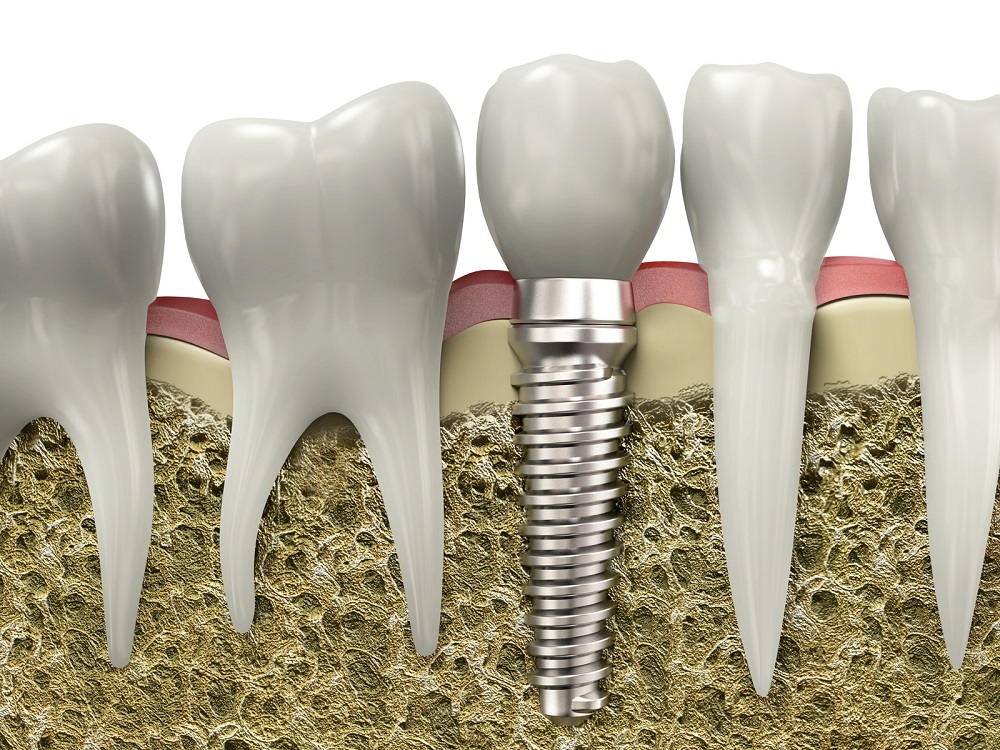
Osseointegration, the process by which dental implants fuse with jawbone tissue, requires optimal healing conditions to achieve long-term success. Sleep apnoea disrupts this delicate process through several mechanisms that dental professionals are only beginning to fully understand. The repeated drops in blood oxygen levels, known as hypoxia, create an environment where cellular repair and regeneration become significantly compromised.
During normal sleep, the body enters crucial repair phases where growth hormones are released and tissues regenerate. Sleep apnoea interrupts these essential processes, leading to delayed wound healing and increased risk of implant failure. The chronic inflammation associated with the condition also affects the delicate balance of bone remodelling, potentially compromising the structural foundation that implants require for successful integration.
Inflammatory Responses and Healing
The inflammatory cascade triggered by sleep apnoea extends far beyond the airways, affecting periodontal tissues and bone metabolism. Elevated levels of inflammatory markers such as C-reactive protein and interleukin-6 create an environment that is hostile to successful implant placement. These biological changes can persist even after successful sleep apnoea treatment, requiring careful consideration in treatment planning and post-operative care protocols.
Bruxism and Mechanical Complications
Sleep apnoea frequently coincides with bruxism, the unconscious grinding and clenching of teeth during sleep. This parafunctional activity places excessive mechanical stress on dental implants, particularly during the critical healing period. The forces generated during bruxism episodes can exceed normal chewing pressures by several fold, potentially disrupting the delicate osseointegration process and leading to implant mobility or failure.
Modern sleep medicine recognises that dental implants can actually help treat sleep apnoea in certain circumstances, creating a beneficial cycle where proper treatment addresses both conditions simultaneously. This dual approach represents a paradigm shift in how dental professionals approach complex cases involving both sleep disorders and tooth replacement needs.
Treatment Strategies and Success Optimisation
Contemporary dental practice increasingly emphasises the importance of comprehensive sleep apnoea management before implant placement. Obstructive sleep apnoea and dental implants require coordinated treatment approaches that address both conditions systematically. Successful outcomes often depend on establishing effective sleep apnoea therapy, whether through continuous positive airway pressure devices, oral appliances, or surgical interventions, before proceeding with implant surgery.
Dental professionals now routinely screen patients for sleep disorders during implant consultations, recognising that untreated sleep apnoea can significantly compromise treatment outcomes. This holistic approach ensures that patients receive comprehensive care that addresses underlying health conditions alongside their dental needs.
Post-Operative Considerations
The post-operative period requires particular attention for patients with sleep apnoea, as healing protocols may need modification to accommodate their unique physiological challenges. Extended healing periods, enhanced nutritional support, and more frequent monitoring appointments often become necessary to ensure successful outcomes. Research indicates that dental implants improve airway stability and breathing during sleep when properly planned and executed with sleep considerations in mind.
Looking Forward: Integrated Care Approaches
The evolving understanding of sleep apnoea’s impact on dental implant success represents a significant advancement in patient care. As research continues to unveil these complex relationships, dental professionals are better equipped to provide comprehensive treatment that addresses both immediate dental needs and underlying health conditions. This integrated approach promises improved outcomes for patients seeking dental implants specialists provide, ensuring that sleep health and oral health work together harmoniously for optimal long-term success.