Structured Learning Paths For Safe Machinery Operation
In today’s fast-paced industrial world, ensuring the safety of machinery operations is crucial. One of the most effective ways to achieve this is through structured learning paths. These programs focus on equipping operators and staff with the skills and knowledge they need to work safely and efficiently. Let’s explore how structured learning paths can play a key role in promoting safe machinery operation.
The Importance of Structured Learning Paths
Structured learning paths are comprehensive, well-organized educational programs that outline clear steps for acquiring skills and competencies. In the context of machinery operation, they provide a progressive approach to safety, helping operators understand the complexities of machinery while minimizing the risk of accidents. Experience professional growth like never before at Hoogewerf Academy, where tailored courses meet the real-world demands of leadership.
- Clarity and Focus: These programs break down safety procedures into easy-to-follow stages, making it simpler for trainees to grasp.
- Tailored Learning Experience: Learners can advance at their own pace, mastering each module before moving on to the next.
- Consistency Across Teams: Structured paths ensure that all employees receive the same high-quality training, creating uniform safety practices across the organization.
Key Components of Structured Learning Paths
A well-designed learning path for machinery operation typically includes several core elements that focus on safety and skill development.
1. Foundational Knowledge
- Understanding the basic principles of machinery
- Learning about various types of machines and their specific safety features
- Introduction to safety protocols, including emergency stop procedures and hazard identification
2. Technical Skills Development
- Hands-on training with machinery under supervision
- Familiarization with maintenance tasks to ensure the equipment is operating optimally
- Troubleshooting basic issues that may arise during operation
3. Safety Protocols and Regulations
- Deep dive into workplace safety standards and regulations
- Proper use of personal protective equipment (PPE)
- Safe operating procedures tailored to specific machines and environments
4. Advanced Operational Techniques
- Advanced control of machinery in complex scenarios
- Understanding and responding to real-time operational challenges
- Fostering a proactive mindset for identifying potential safety hazards
Benefits of Structured Learning Paths
Enhanced Safety Standards
Structured learning paths significantly reduce the likelihood of workplace accidents. When operators are well-trained, they are more confident in handling machines safely, adhering to operational procedures, and responding to emergencies effectively.
Increased Productivity
Safety doesn’t just protect workers – it also boosts overall productivity. With a solid foundation in safe machinery operation, operators work more efficiently and experience fewer delays due to accidents or machine malfunctions. Structured learning paths for safe machinery operation are an essential element in creating a workplace that prioritizes both safety and efficiency. By providing operators with the knowledge and skills they need to handle machinery responsibly, organizations can significantly reduce the risks associated with machinery operation while enhancing overall performance. Investing in structured learning pathways is an investment in safety, productivity, and long-term success.


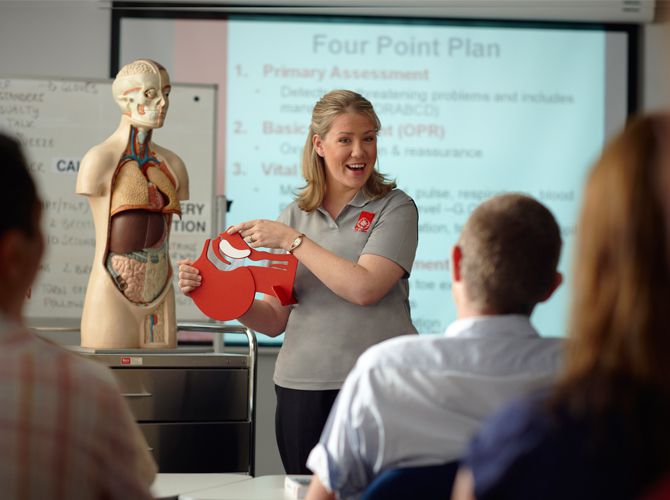 A more far reaching first aid course will offer more data on a particular subject. Furthermore, such a first aid course educates members on the most proficient method to convey lifesaving first aid, mouth-to-mouth resuscitation, chest compressions, and use of a robotized outer defibrillator. Every first aid course has its own arrangement of contributions. In the event that you are engaged with a specific movement on a predictable premise like a particular game then you can find a first aid course equipped towards security on the field. A game first aid course will show sport members how to survey the seriousness of wounds and treat minor wounds supported during play. For those looking towards a task as a lifeguard, you are expected to take a first aid course notwithstanding the swimming courses vital for the gig. This first aid course will zero in on those perils encompassing the waters whether pool, lake, or sea – and teach members on lifesaving strategies and keeping an eye on additional minor wounds.